For New Models — The Real Order of Operations
Where to Actually Start
You've decided to pursue modeling. Here's what agencies actually want first — and what comes after, in the order it really happens.
Guide
01Before you book anything
Here's the part almost nobody expects: the first step isn't a photoshoot at all. Every agency I checked wants the opposite of polished — Donna Baldwin Agency says plainly that initial photos "do not have to be professional." Wilhelmina Rocky Mountains asks for natural, unedited images with minimal to no makeup, and explicitly rejects anything run through FaceTune or an Instagram filter. Wolves Management wants four casual photos in jeans and a fitted t-shirt — nothing styled, nothing retouched.
So if you're brand new, the actual first move costs nothing: decent, honest phone photos sent directly to an agency. Paying for a professional session before that step is, more often than not, money spent in the wrong order.
Agencies don't want your best photo first. They want your honest one.
02Digitals come next
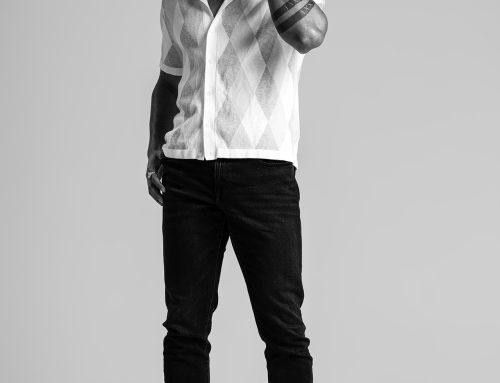
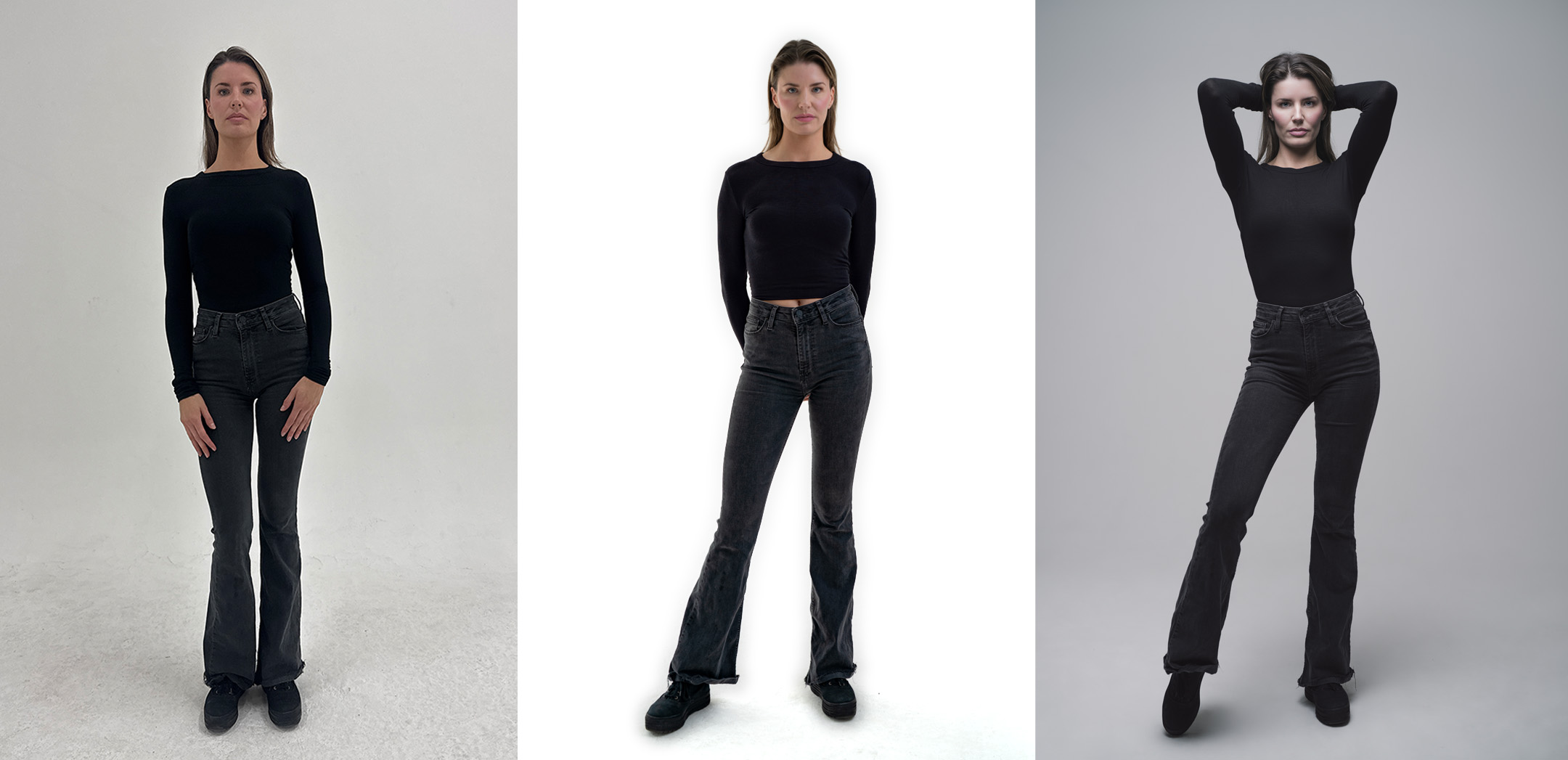
Once there's real interest — an agency responds, or you want to strengthen an application — that's when digitals actually belong in the process. These are still simple and unretouched, but shot properly: front, side, back, a natural expression, maybe a close-up. I've written a full breakdown of what to expect at a digitals session if you want the details.
03Then the comp card
Your comp card gets built next — and it's completely normal for a new model's first comp card to use those same digitals or early test images. There's no rule that says you need a separate, more elaborate shoot before you're allowed to have one. I go through exactly what happens at a comp card shoot in its own article.
One honest note here: you don't need me, or anyone, to design the card itself. Canva has genuinely solid comp card templates, and putting one together yourself is a completely reasonable way to go. If you'd rather have it designed for you, that's something I'm looking at offering — but I'd rather you know the DIY route exists and works than assume you have to pay for it.
A comp card isn't a portfolio. It's a resume with a face on it.
04Test shoots, once you're signed
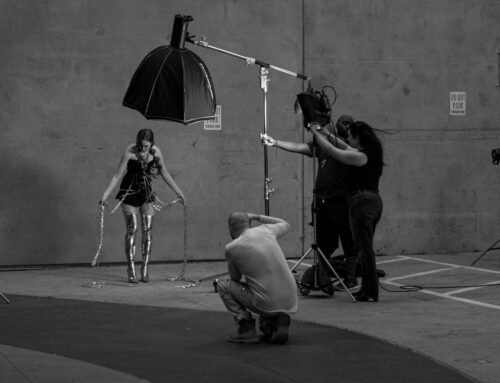
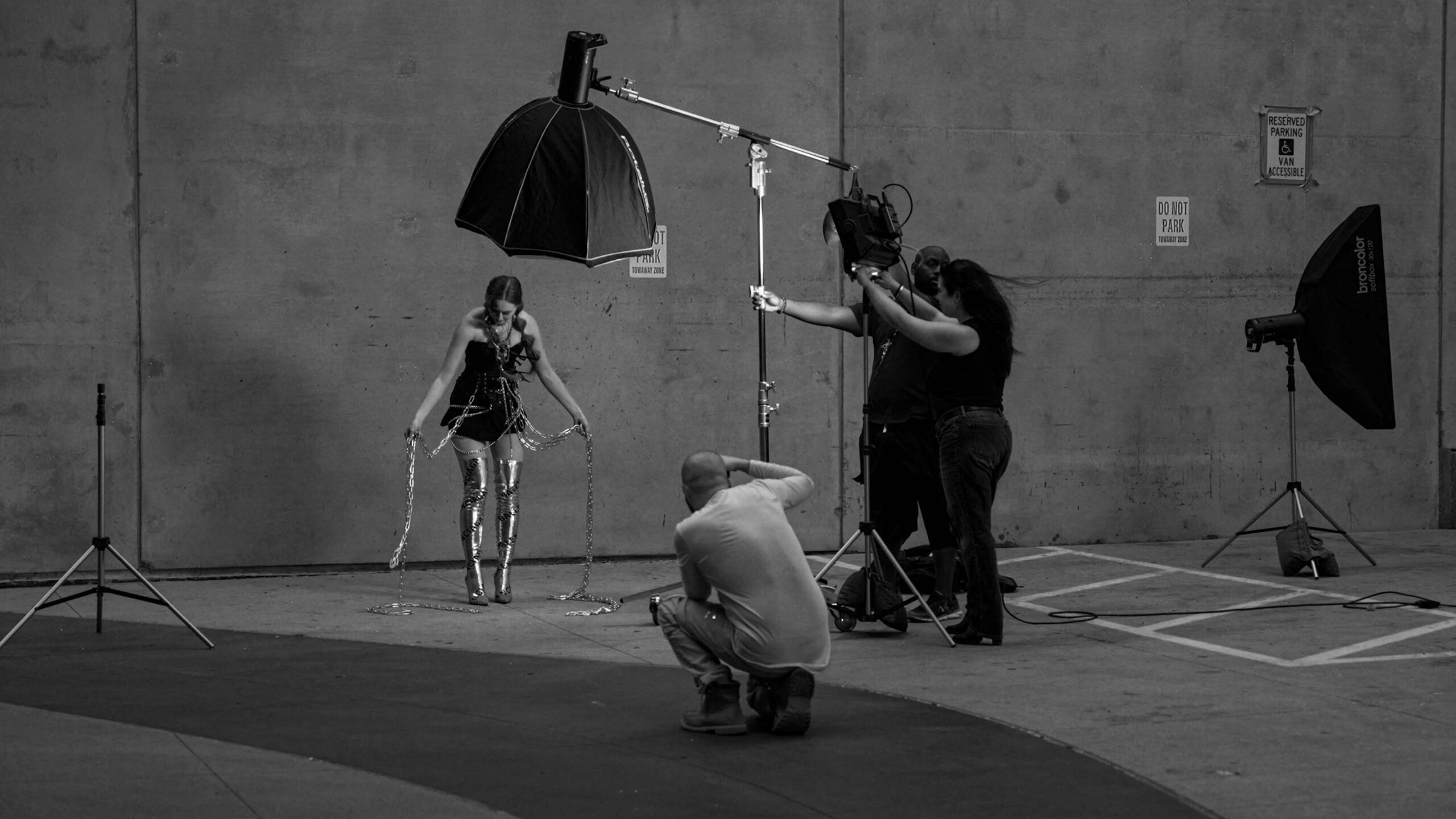
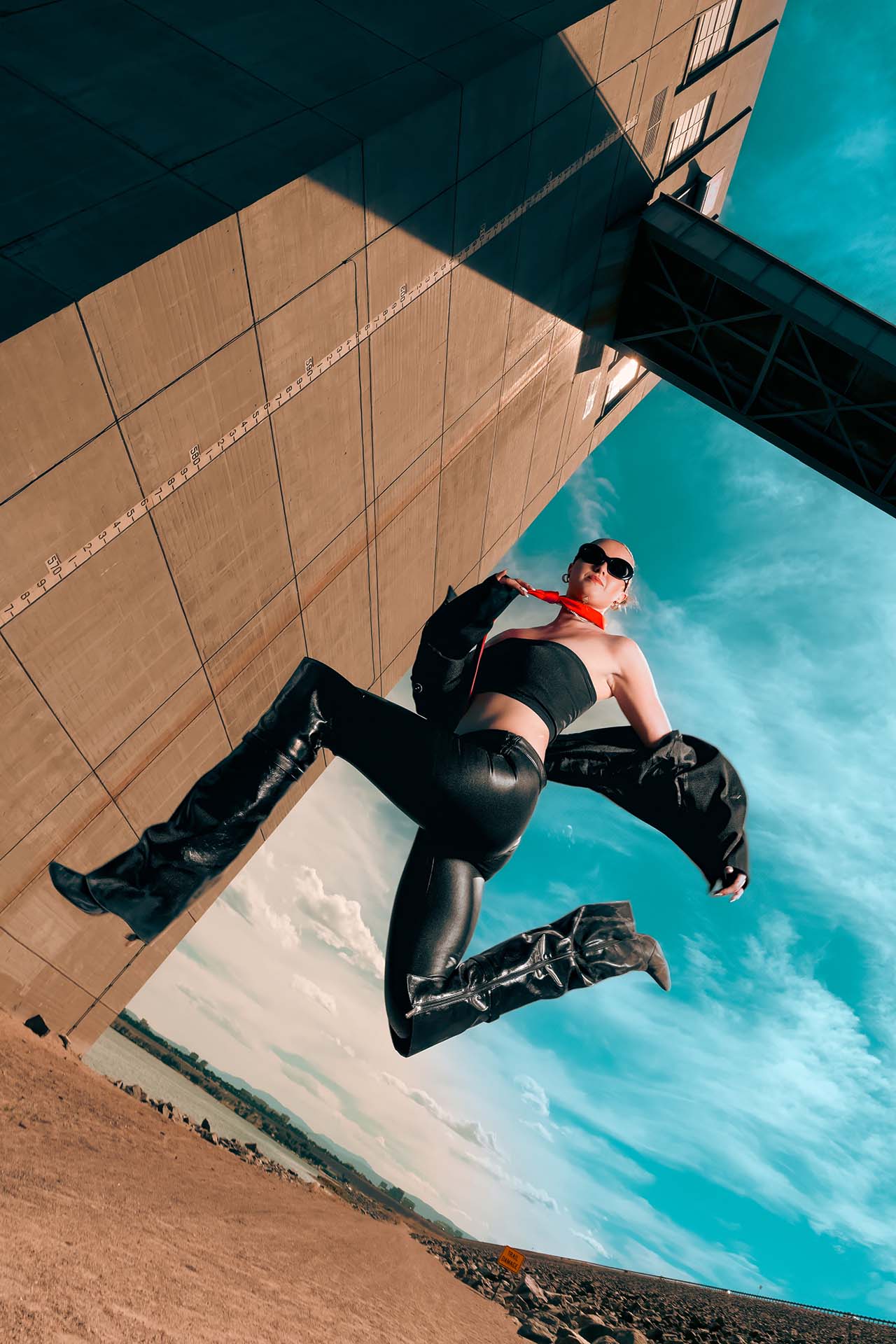
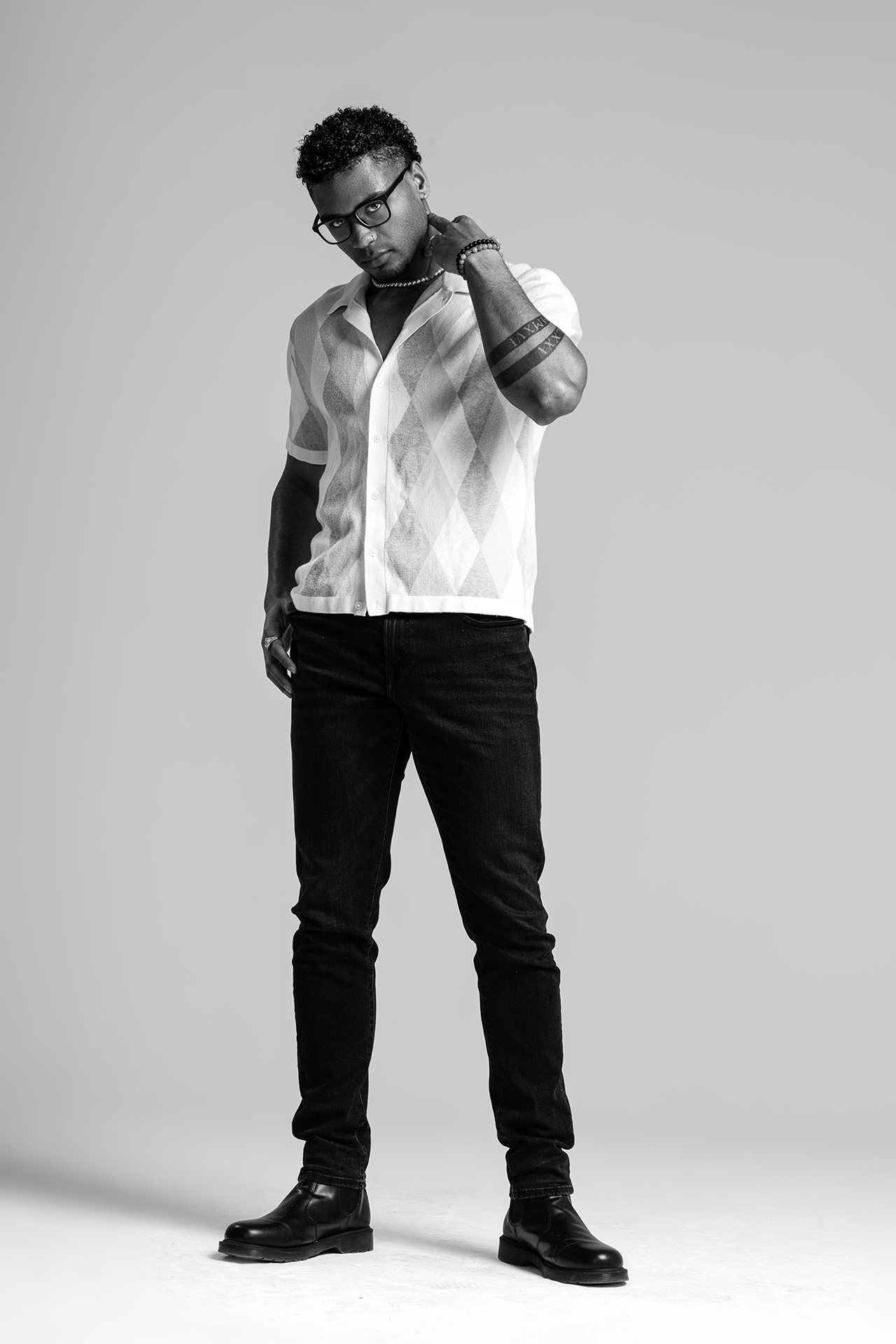
After signing, agencies typically arrange test shoots — creative sessions whose whole purpose is building real portfolio material, rather than the neutral, evaluative approach of digitals. This is where actual styling, lighting, and direction start to matter.
05The portfolio builds itself
A portfolio isn't a single shoot you book once — it accumulates. Test shoots, then real bookings — campaigns, editorial work, lookbooks — each add to it over time, and your comp card gets updated as your strongest, most recent work comes in.
So the real order, start to finish: honest phone photos to an agency → digitals → a comp card built from those same images → test shoots once you're signed → a portfolio that keeps growing from there.
Not sure which stage you're actually at? Ask before you book — no upsell, no pressure, just the right next step for where you are right now.
— Robert